
Black Feminist Epistemologies in Computing
We examine how computing is taught and experienced using black women's way of knowing. This research centers their experiences as they navigate the computing ecosystem. We propose intersectional frameworks that make space for those it has excluded.
Related publications →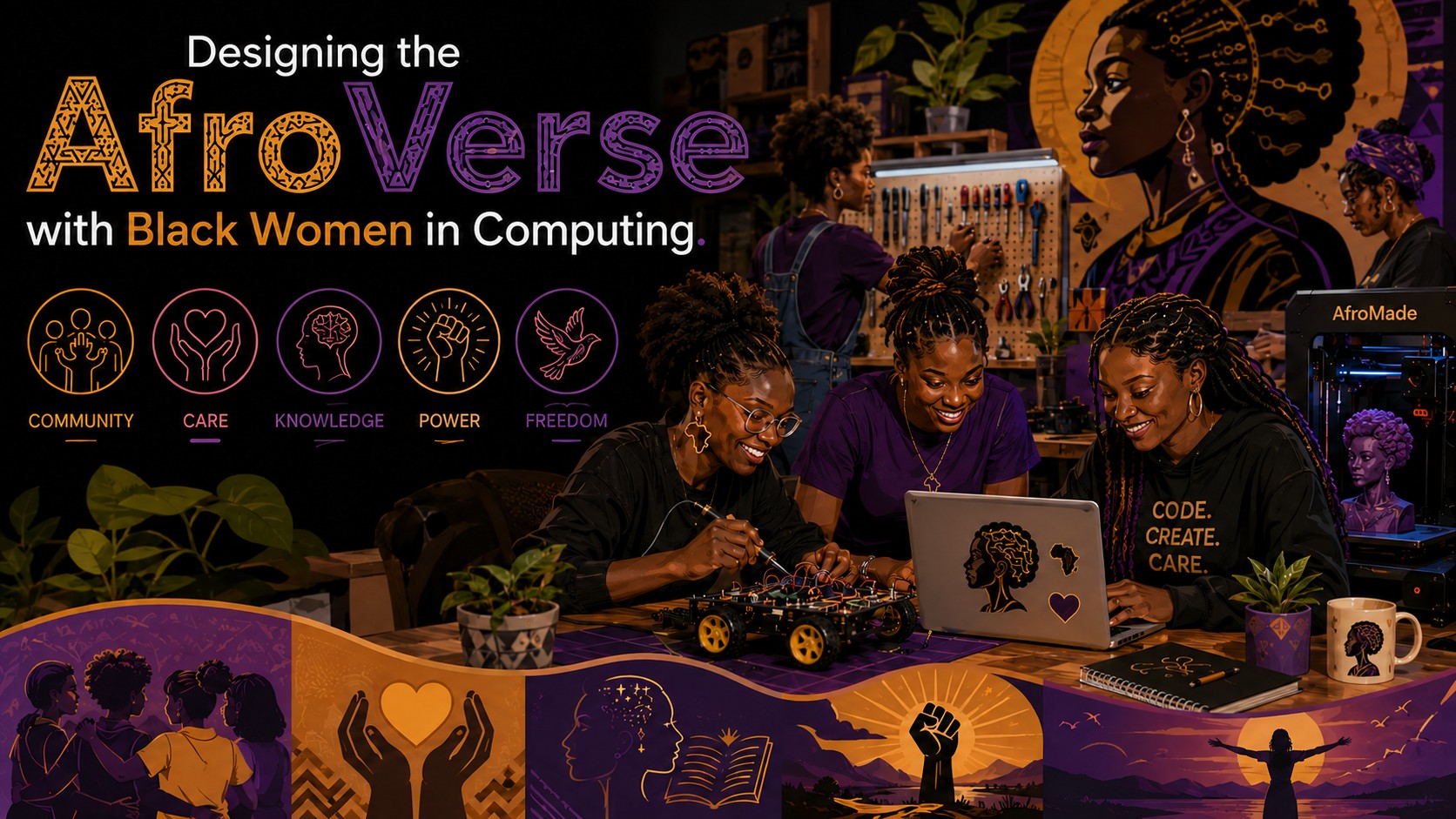
Designing the Afroverse with Black Women
Through facilitated sister circles, we gather and analyze the stories of Black women to imagine digital worlds designed on their own terms rooted in Afrofuturism. The project moves from intimate conversations to prototyping tech based solutions.
Related publications →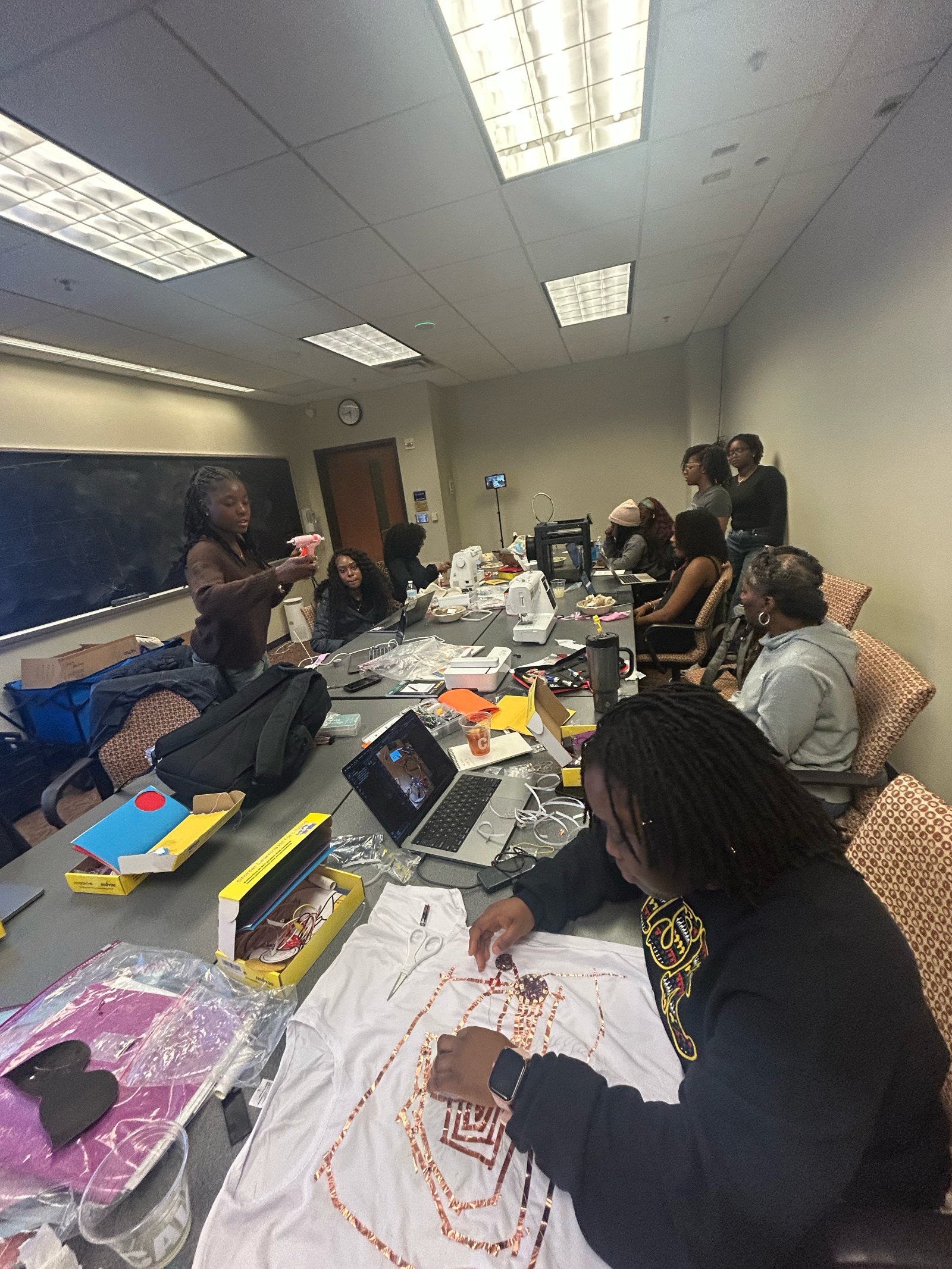
Intersectionality in HCI
Building on Black feminist thought, we apply intersectionality as a critical lens for how we design technology. Intersectionality examines how social constructs such as race, gender, class, nationality, sexual orientation, religion, ability, etc. converge as integrated systems that shape people's lives, producing unequal outcomes for different populations. This research focuses on developing appropriate methods for conducting intersectional studies that grapple with intersectional identities and power in the context of design. The result is a working analytical lens for human-computer interaction, one that reframes how the field studies identity, power, and design.
Related publications →
Developing Equitable Design Practices
We develop and refine design methods that share power with the communities we work alongside—building participatory, equitable practices into every stage of the research process. This research moves from theory to practice, building and evaluating technology that addresses systemic inequities and centers marginalized communities in the design process.
Related publications →